BANKS
RBI to put weight behind policy support if US tariffs hurt growth: Governor
Amid tariff-related uncertainties, RBI Governor Sanjay Malhotra emphasised need to push growth while anchoring inflation.



Amid tariff-related uncertainties, RBI Governor Sanjay Malhotra emphasised need to push growth while anchoring inflation.
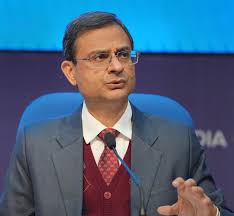
A couple of days before the 50% US tariffs come into effect, RBI Governor Sanjay Malhotra has assured that the central bank would extend policy support to the economy if required, including to those sectors which could get impacted if the measures kick in.
The Reserve Bank of India (RBI), which has always been very proactive in responding to economic challenges, will not be found wanting in its job, Malhotra said at the FIBAC annual conclave, organised by FICCI and Indian Banks’ Association.
During the outbreak of Covid, the RBI had introduced a slew of measures, including providing moratorium on term loans and easing access to credit for micro, small and medium enterprises (MSMEs).
“We are hopeful that tariff negotiations will play out and the impact will be minimal,” the Governor said.
While 45% of Indian goods exported to the US are outside the tariff net, Malhotra noted that of the remaining 55% there will be potential impact on some sectors like gems & jewellery, textiles, auto parts, shrimps and MSMEs.
Some economists have estimated that the tariffs imposition could lower India’s GDP growth rate by less than 1% in the current financial year. Earlier, the RBI had in its April policy lowered its GDP growth forecast for FY26 by 20 basis points to 6.5% from 6.7% earlier, after US President Donald Trump announced 25% tariffs on India. Later, Trump increased the tariffs to 50% as punishment for buying Russian oil.
Amid tariff-related uncertainties, Malhotra emphasised the need to push growth while anchoring inflation.
Malhotra said the government has been working on free trade agreements. The RBI on its part has pursued an easing cycle, reducing the repo rate by 100 basis points to 5.5% and providing ample liquidity to the banking sector.
“We are at a critical juncture as we navigate the choppy global economic environment characterised by heightened trade uncertainty and persisting geopolitical tensions. We need to push the frontiers of growth,” he said.
Rupee in settling trade transactions
Internationalisation of the Indian rupee is an important area on which the RBI has been working for a long time.
Malhotra said developing trade in local currencies is important as it will reduce dependence on foreign exchange volatility. India is currently having agreements with four countries, including Maldives, Mauritius, Indonesia and the UAE, and trade is happening in local currencies.
However, he cautioned that it is a slow process and will take years and decades to evolve to have trade in local currencies.
Malhotra urged banks and corporates to come together at a time when their balance sheets are at their best and drive the "animal spirits" to create an investment cycle.
He emphasized that both the regulator and regulated entities share common objectives. "I would like to emphasise that we might seem to be on opposite sides, with the regulated entities trying to accelerate growth and the regulators focussing on stability, but we actually have the same objectives. We are in the same team, we have the same shared vision of a Vikshit Bharat," he said.